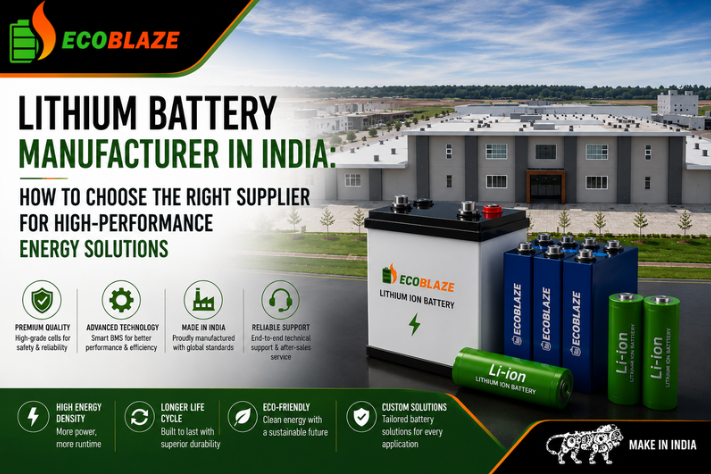
Lithium Battery Manufacturer in India: A Complete Guide to Choosing the Best Lithium-Ion Battery Supplier
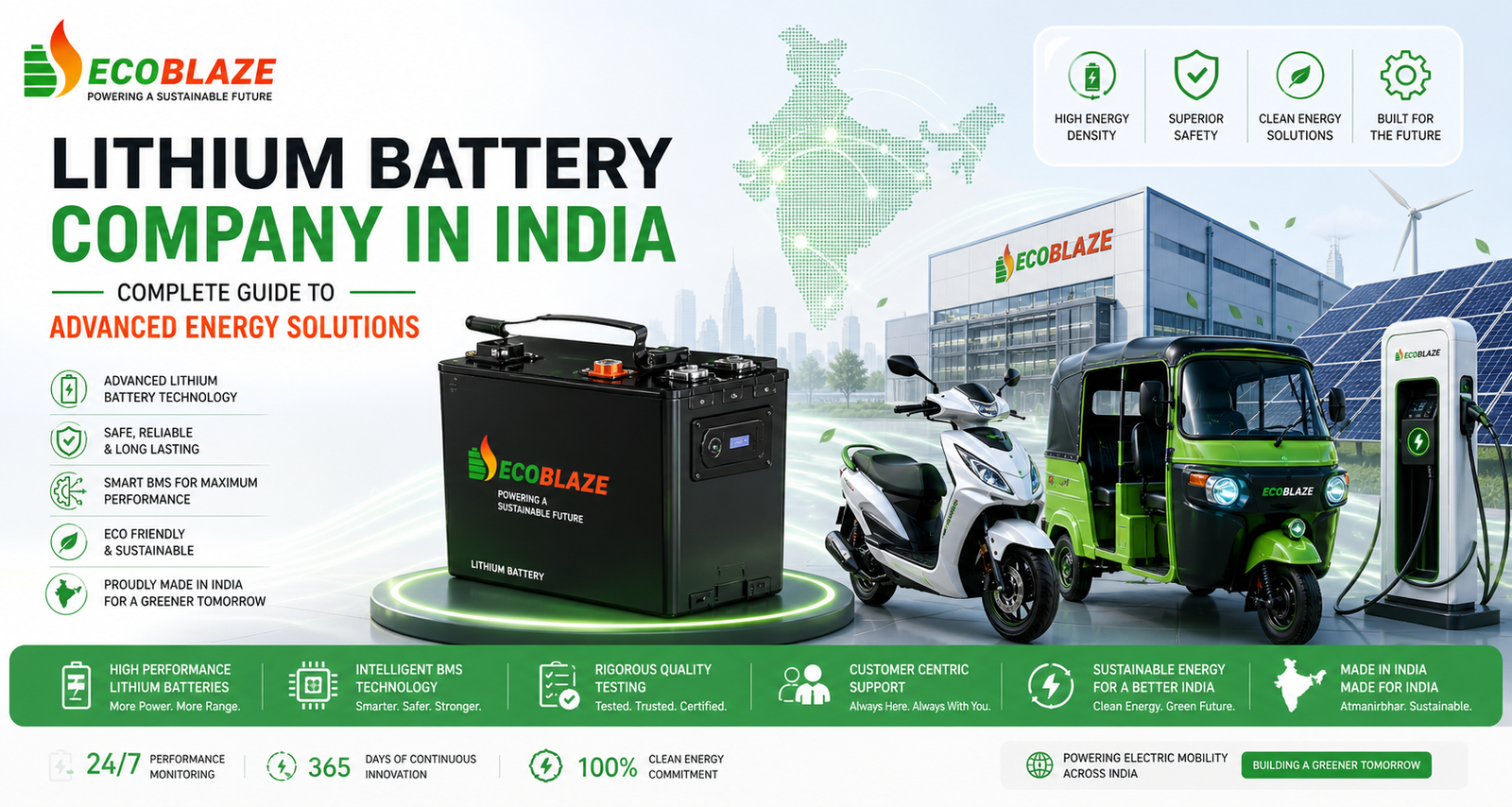
A lithium battery manufacturer in India designs and manufactures rechargeable lithium-ion batteries for electric vehicles, energy storage systems, industrial equipment, and portable electronics. The best manufacturers offer certified batteries with advanced Battery Management Systems (BMS), longer cycle life, faster charging, and reliable after-sales support, making them ideal for both commercial and personal applications.
India’s transition toward electric mobility and renewable energy has created an unprecedented demand for lithium-ion batteries. From electric scooters and e-rickshaws to solar energy storage and industrial backup systems, lithium batteries have become the preferred power source due to their superior efficiency, lightweight construction, and long service life.
As businesses and consumers increasingly seek dependable energy solutions, selecting the right lithium battery manufacturer in India has become one of the most important decisions. The quality of the battery directly impacts performance, safety, lifespan, and overall operating costs.
This guide explains everything you need to know about choosing a trusted lithium battery manufacturer, the technologies involved, and why lithium-ion batteries are shaping the future of energy storage.
What Is a Lithium Battery Manufacturer?
A lithium battery manufacturer is a company that designs, develops, assembles, and tests rechargeable lithium-ion batteries for various applications. These manufacturers produce battery packs with integrated battery management systems (BMS), ensuring safe charging, efficient energy delivery, and longer operational life.
Modern lithium battery manufacturers serve industries such as the following:
- Electric Vehicles (EVs)
- Electric Two-Wheelers
- Electric Three-Wheelers
- Solar Energy Storage
- Telecom Infrastructure
- UPS Systems
- Industrial Machinery
- Medical Equipment
- Marine Applications
- Consumer Electronics
Unlike conventional battery manufacturers, lithium battery manufacturers focus on advanced energy storage technologies that provide higher efficiency and better long-term value.
Why India Is Becoming a Global Hub for Lithium Battery Manufacturing
India has rapidly emerged as one of the fastest-growing markets for lithium-ion battery production. Government initiatives promoting electric vehicles, renewable energy, and domestic manufacturing have encouraged significant investment in battery technology.
Several factors contribute to India’s growing position in the global battery industry:
Growing Electric Vehicle Market
India is witnessing a rapid increase in the adoption of electric vehicles. Electric scooters, motorcycles, e-rickshaws, passenger vehicles, and commercial fleets are driving demand for high-performance lithium batteries.
Manufacturers producing two wheeler batteries and three wheeler batteries are increasingly shifting from traditional lead-acid technology to lithium-ion solutions because of their longer lifespan, faster charging, and improved efficiency.
Expansion of Renewable Energy
India continues to invest heavily in solar and wind energy. Since renewable energy generation depends on efficient storage systems, lithium-ion batteries have become an essential component of residential, commercial, and industrial solar installations.
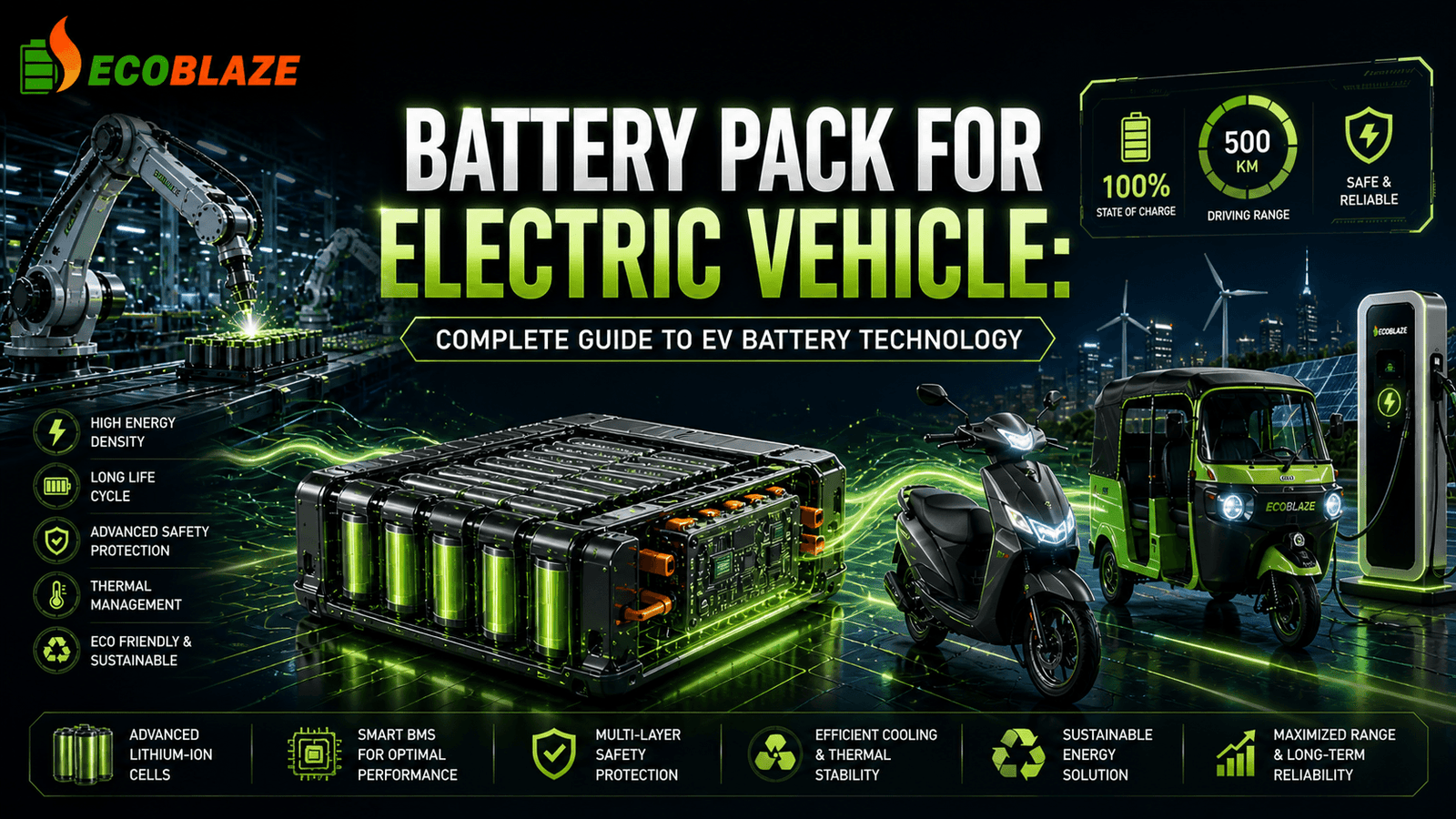
High-capacity electric vehicle battery pack technology is also being adapted for stationary energy storage applications, enabling homes and businesses to store excess solar power efficiently.
Government Support
Various government policies promoting electric mobility, local manufacturing, and sustainable energy have accelerated lithium battery production.
Key initiatives include:
- Make in India
- Production Linked Incentive (PLI) Scheme
- FAME India Scheme
- National Electric Mobility Mission Plan
- Renewable Energy Development Programs
These initiatives encourage domestic manufacturing while reducing dependence on imported battery technologies.
Why Lithium-Ion Batteries Are Preferred
Before selecting a lithium battery manufacturer in India, it is important to understand why lithium-ion technology has become the industry standard.
High Energy Density
Lithium-ion batteries store significantly more energy than conventional lead-acid batteries while occupying less space.
This results in:
- Longer driving range
- Compact battery packs
- Reduced weight
- Better efficiency
Longer Lifespan
A quality lithium-ion battery typically lasts between 2,000 and 5,000 charging cycles, depending on usage conditions.
Compared to lead-acid batteries, this improvement translates into several additional years of reliable performance and lower replacement costs.
Faster Charging
Charging time is one of the biggest advantages of lithium technology.
Most lithium-ion batteries can recharge much faster than traditional batteries, reducing downtime for electric vehicles and industrial equipment.
Maintenance-Free Operation
Unlike flooded lead-acid batteries, lithium-ion batteries require virtually no maintenance.
Users don’t need to:
- Check electrolyte levels
- Refill water
- Perform equalization charging
- Clean corrosion
This process significantly reduces operating costs throughout the battery’s lifespan.
Key Qualities of the Best Lithium Battery Manufacturer in India
Not every manufacturer offers the same quality standards. Choosing the right supplier requires evaluating several critical factors.
1. Advanced Battery Management System (BMS)
A reliable Battery Management System protects lithium-ion batteries against
- Overcharging
- Overheating
- Deep discharge
- Short circuits
- Cell imbalance
An advanced BMS enhances both safety and battery lifespan.
2. High Manufacturing Standards
Choose manufacturers that follow internationally recognized quality standards and testing procedures.
Look for batteries that undergo:
- Performance testing
- Thermal testing
- Vibration testing
- Safety certification
- Quality inspections
Consistent quality control ensures reliable performance across every battery pack.
3. Extensive Product Range
Leading manufacturers provide batteries for multiple industries, including:
- Electric scooters
- Motorcycles
- E-rickshaws
- Passenger EVs
- Solar energy storage
- Industrial applications
- UPS systems
This broad product portfolio demonstrates strong engineering capabilities and industry expertise.
4. Long Warranty Coverage
A warranty reflects the manufacturer’s confidence in product quality.
When comparing suppliers, evaluate:
- Warranty duration
- Cycle life guarantee
- Performance guarantee
- Service support
- Replacement policy
A longer warranty often indicates superior manufacturing quality and better after-sales support.
5. Custom Battery Solutions
Different industries require different battery configurations.
A trusted lithium battery manufacturer in India should offer customized battery packs based on:
- Voltage requirements
- Capacity
- Vehicle type
- Industrial application
- Charging specifications
- Environmental conditions
Customized solutions maximize efficiency while improving equipment performance.
Applications of Lithium Batteries Across Industries
Lithium-ion batteries have transformed multiple sectors because of their superior energy efficiency and reliability.
Some of the most common applications include:
Electric Mobility
Electric mobility remains the largest consumer of lithium-ion batteries.
Manufacturers supply batteries for:
- Electric scooters
- Electric motorcycles
- Passenger EVs
- Commercial fleets
- E-rickshaws
Businesses searching for reliable three wheeler batteries or efficient two wheeler batteries increasingly prefer lithium-ion technology because it offers lower operating costs and improved vehicle performance.
Energy Storage Systems
Residential and commercial solar installations rely heavily on lithium batteries for energy storage.
Their high energy density, rapid charging capability, and deep discharge performance make them the preferred choice for renewable energy projects.
Industrial Backup Power
Industries use lithium-ion batteries for:
- UPS systems
- Telecom towers
- Hospitals
- Manufacturing plants
- Data centers
Reliable backup power minimizes downtime and ensures uninterrupted operations.
Consumer Electronics
Lithium-ion batteries continue to power millions of portable devices, including
- Laptops
- Smartphones
- Tablets
- Medical equipment
- Portable power stations
Their lightweight construction and high energy density make them ideal for modern electronic devices.
How Are Lithium-Ion Batteries Manufactured?
Understanding the manufacturing process helps businesses and consumers appreciate the quality standards followed by a reliable lithium battery manufacturer in India.
Although manufacturing methods vary depending on the battery type and application, the overall process generally includes the following stages:
1. Cell Selection
Manufacturers begin by selecting high-quality lithium-ion cells based on the intended application, voltage, and energy requirements. The choice of cells directly affects battery performance, efficiency, and lifespan.
2. Battery Pack Design
Engineers design the battery pack by determining the required voltage, capacity, cell arrangement, and thermal management system. Whether it’s an electric vehicle battery pack, a solar storage battery, or an industrial backup system, the design is tailored to meet specific performance needs.
3. Battery Management System (BMS) Integration
The Battery Management System (BMS) is integrated into the battery pack to monitor:
- Voltage
- Temperature
- Current
- Charging cycles
- Cell balancing
A reliable BMS protects the battery from overcharging, overheating, short circuits, and deep discharge, ensuring safe and efficient operation.
4. Assembly and Testing
Once assembled, every battery undergoes rigorous testing for:
- Capacity
- Charge and discharge efficiency
- Thermal performance
- Safety compliance
- Vibration resistance
- Cycle life
These quality checks ensure that only reliable batteries reach customers.
Benefits of Choosing a Lithium Battery Manufacturer in India
India has become a preferred destination for lithium battery production due to its manufacturing capabilities, skilled workforce, and growing electric mobility ecosystem.
Here are the key benefits of sourcing batteries from an Indian manufacturer:
- High-Quality Manufacturing: Leading manufacturers use advanced production technologies and stringent quality control processes to deliver consistent performance.
- Competitive Pricing: Domestic manufacturing reduces logistics costs and import dependency, allowing businesses to access high-quality batteries at competitive prices.
- Faster Delivery: Local production shortens supply chains, resulting in quicker order fulfillment and improved inventory management.
- Technical Support: Indian manufacturers often provide installation assistance, maintenance guidance, and responsive after-sales support.
- Custom Battery Solutions: Many manufacturers offer customized battery packs for electric vehicles, solar systems, telecom infrastructure, and industrial equipment, ensuring the right solution for every application.
Lithium-Ion vs Lead-Acid Batteries
Many buyers still compare lithium-ion batteries with traditional lead-acid batteries before making a purchase decision.
| Feature | Lithium-Ion Battery | Lead-Acid Battery |
|---|---|---|
| Lifespan | 8–10 Years | 2–4 Years |
| Charging Time | 2–4 Hours | 8–10 Hours |
| Weight | Lightweight | Heavy |
| Maintenance | Maintenance-Free | Requires Regular Maintenance |
| Energy Efficiency | 95–98% | 70–85% |
| Cycle Life | 2,000–5,000 Cycles | 300–700 Cycles |
| Depth of Discharge | Up to 90% | Around 50% |
| Long-Term Cost | Lower | Higher |
For buyers evaluating lithium vs lead acid e-rickshaw battery options, lithium-ion batteries offer clear advantages, including lower maintenance, longer service life, faster charging, and improved vehicle efficiency. While the initial investment may be higher, the reduced replacement frequency and operating costs make lithium-ion batteries the more economical choice over time.
Applications of Lithium-Ion Batteries
The versatility of lithium-ion technology has made it indispensable across numerous industries.
Electric Two-Wheelers
As the demand for electric scooters and motorcycles continues to rise, manufacturers rely on high-performance Electric Bike Lithium Battery solutions to deliver longer range, faster charging, and reliable performance.
A premium Lithium Ebike Battery is designed to provide lightweight construction, consistent power output, and extended cycle life, making it ideal for urban commuting and commercial delivery fleets.
Electric Three-Wheelers
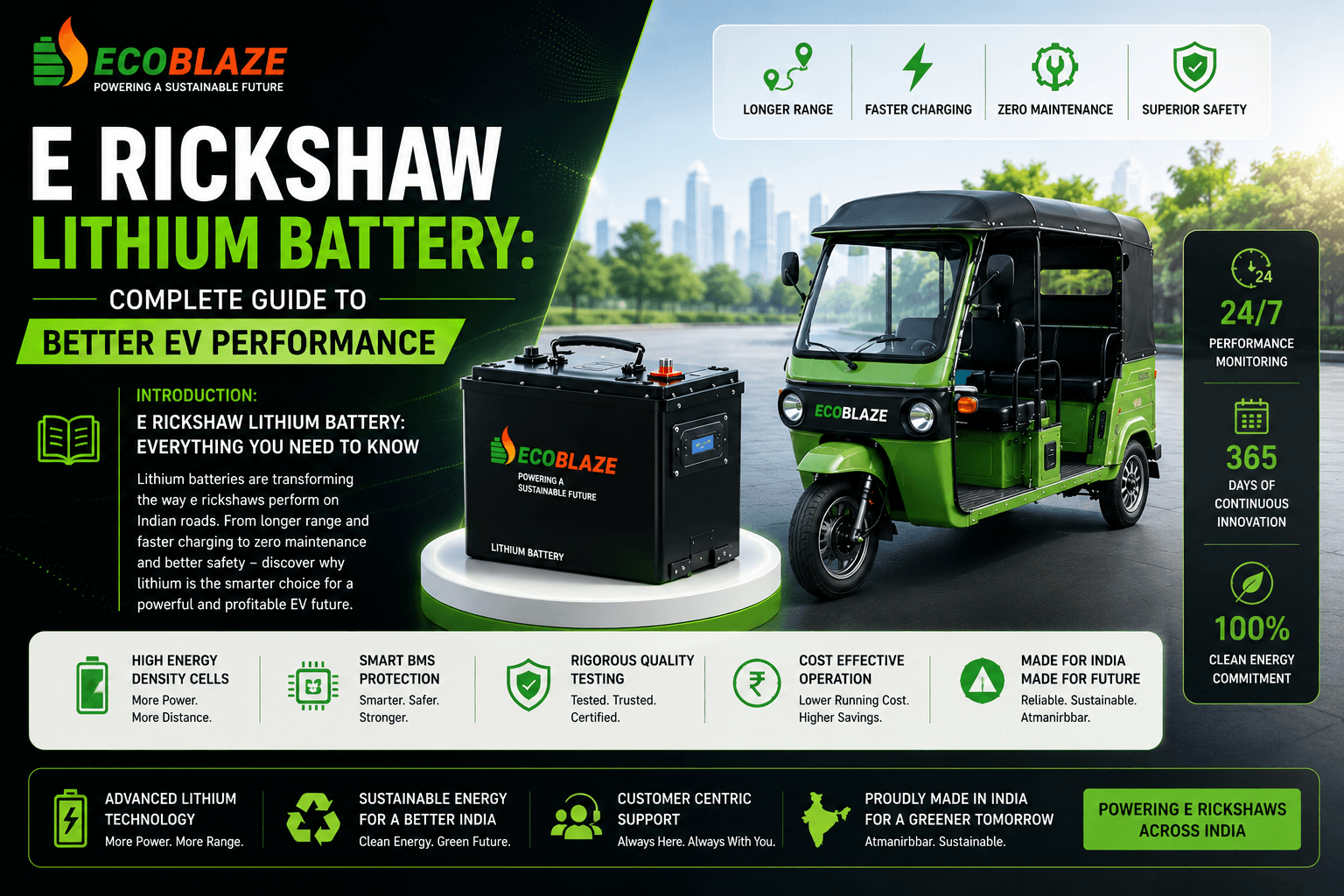
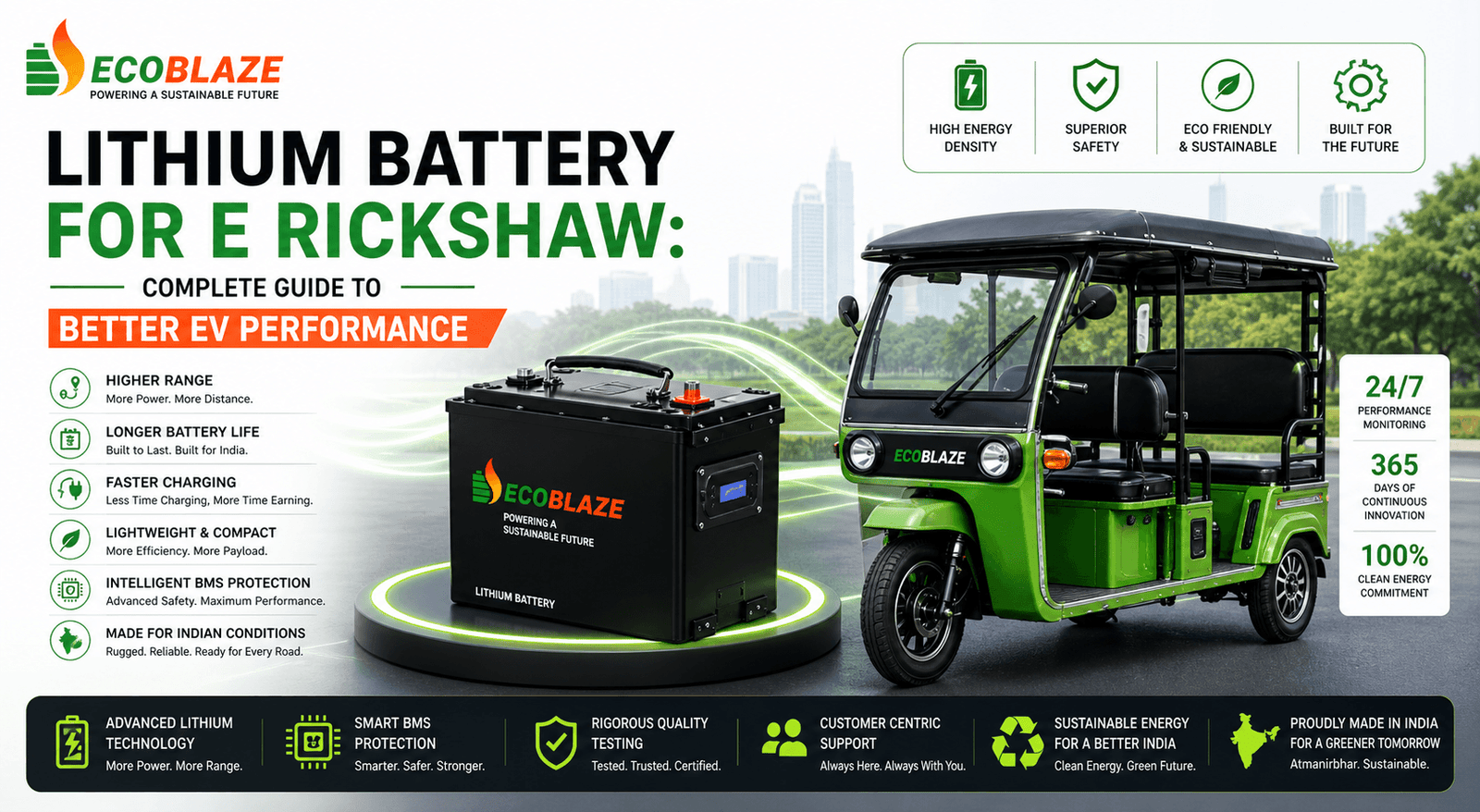
The growing e-rickshaw market has accelerated the adoption of lithium-ion technology. Modern three wheeler batteries deliver higher efficiency, lower maintenance, and improved operating range compared to conventional lead-acid batteries.
Passenger Electric Vehicles
Electric cars and commercial EVs depend on advanced battery technology for reliable energy storage, improved driving range, and fast charging capabilities.
Solar Energy Storage
Lithium-ion batteries are widely used in residential, commercial, and industrial solar systems because they provide higher energy efficiency, deeper discharge capability, and a longer service life than traditional battery technologies.
Telecom and Industrial Backup
Telecom towers, hospitals, manufacturing facilities, and data centers use lithium-ion batteries to ensure uninterrupted power during outages, minimizing downtime and improving operational reliability.
How to Choose the Best Lithium Battery Manufacturer in India
Selecting the right manufacturer is essential for maximizing performance and return on investment.
Before making a decision, consider the following:
- Product quality and certifications
- Battery Management System (BMS)
- Cycle life and warranty
- Manufacturing capacity
- Customization options
- Safety standards
- After-sales support
- Industry experience
- Customer reviews and reputation
If you’re researching Lithium Ion Battery Companies in India, compare these factors carefully rather than focusing solely on price. A reliable manufacturer will provide better product performance, technical support, and long-term value.
People Also Ask
- Who is the best lithium battery manufacturer in India?
The best lithium battery manufacturer in India is one that offers certified products, advanced Battery Management Systems (BMS), long cycle life, reliable after-sales support, and customized battery solutions for electric vehicles, solar systems, and industrial applications. - Why should I choose an Indian lithium battery manufacturer?
Indian manufacturers provide competitive pricing, faster delivery, technical support, customized battery solutions, and products that comply with international quality and safety standards. - What industries use lithium-ion batteries?
Lithium-ion batteries are used in electric vehicles, solar energy storage, telecom infrastructure, UPS systems, medical equipment, marine applications, industrial machinery, and consumer electronics. - How long do lithium-ion batteries last?
Most lithium-ion batteries last between 2,000 and 5,000 charge cycles, or approximately 8 to 10 years, depending on usage and maintenance practices. - Are lithium-ion batteries better than lead-acid batteries?
Yes. Lithium-ion batteries offer higher energy density, faster charging, longer lifespan, lower maintenance, and better efficiency, making them the preferred choice for modern energy storage applications.
Frequently Asked Questions (FAQs)
- What should I look for in a lithium battery manufacturer?
Look for certifications, advanced BMS technology, product quality, warranty, manufacturing experience, customization capabilities, and strong customer support. - Can lithium-ion batteries be customized?
Yes. Manufacturers can customize lithium-ion battery packs based on voltage, capacity, dimensions, application, and performance requirements. - Are lithium-ion batteries suitable for electric scooters and bikes?
Yes. Lithium-ion batteries are ideal for electric scooters and bikes because they are lightweight, charge quickly, and offer a long operational life. - Are lithium-ion batteries safe?
Modern lithium-ion batteries include battery management systems (BMS) that protect against overcharging, overheating, short circuits, and excessive discharge, ensuring safe operation. - Why are lithium-ion batteries becoming more popular in India?
The increasing adoption of electric vehicles, renewable energy projects, government incentives, and advancements in battery technology have made lithium-ion batteries the preferred energy storage solution across multiple industries.
Conclusion
India’s lithium battery industry is expanding rapidly, driven by the growing demand for electric mobility, renewable energy, and advanced energy storage solutions. Choosing the right lithium battery manufacturer in India is critical to guaranteeing long-term performance, safety, and reliability.
A trusted manufacturer provides more than just batteries—they deliver advanced engineering, intelligent battery management systems, rigorous quality testing, and customized solutions for diverse applications. Whether you need batteries for electric scooters, motorcycles, e-rickshaws, passenger EVs, solar installations, or industrial backup systems, investing in high-quality lithium-ion technology ensures greater efficiency, lower maintenance expenses, and a longer service life.
As the adoption of clean energy continues to accelerate, lithium-ion batteries will remain at the forefront of innovation, powering the future of transportation and energy storage. Explore our complete range of battery solutions, learn more about Lithium Ion Battery Companies in India, compare lithium vs. lead-acid e-rickshaw options, browse our two wheeler batteries, three wheeler batteries, electric bike lithium battery, and Lithium Ebike Battery solutions, or request a quote from Ecoblaze to find the ideal battery for your application.