Benefits of Lithium Batteries: Complete Guide to Performance, Lifespan & Efficiency
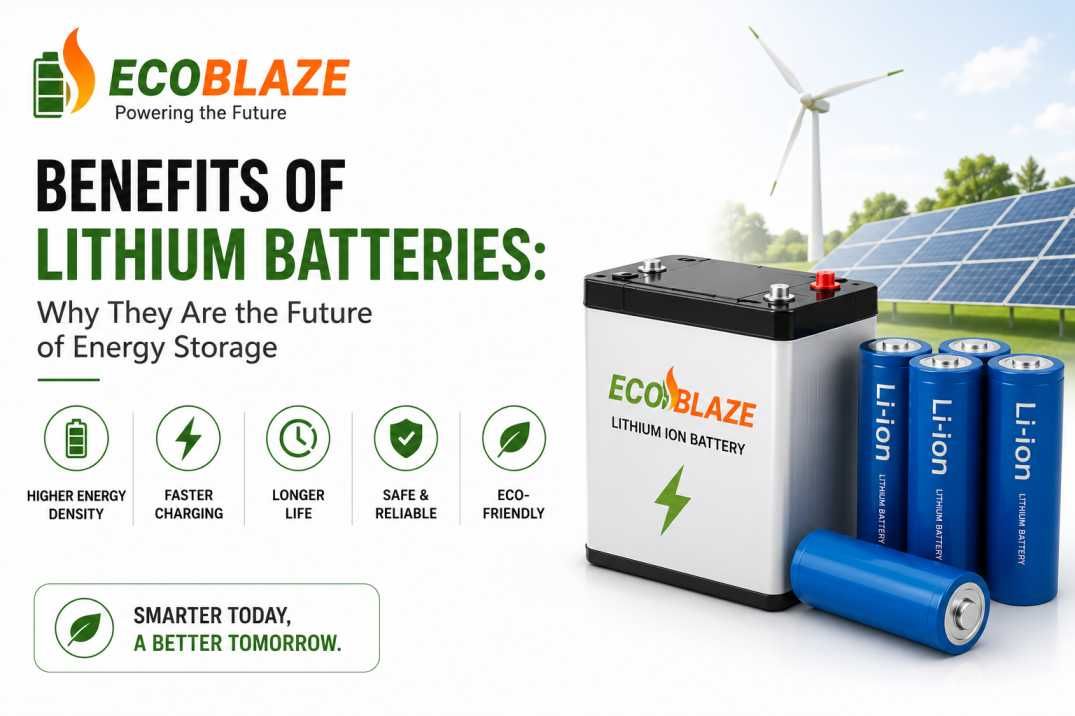
The benefits of lithium batteries include high energy density, longer lifespan, fast charging, lightweight construction, low maintenance, and superior efficiency compared to traditional lead-acid batteries. Lithium batteries are widely used in electric vehicles, energy storage systems, electric bikes, e-rickshaws, and commercial transportation because they deliver better performance and lower long-term operating costs.
The world is rapidly transitioning toward clean energy and electric mobility. From electric vehicles and solar energy systems to industrial backup solutions, lithium batteries have become the preferred choice for energy storage. Businesses, fleet operators, and consumers are increasingly recognizing the many benefits of lithium batteries, making them one of the most important technologies in the modern energy landscape.
Unlike traditional battery technologies, lithium batteries provide exceptional efficiency, fast charging, a longer lifespan, and lightweight performance. Whether you’re powering an electric scooter, solar power system, or commercial fleet, understanding the benefits of lithium batteries can help you make a smarter investment.
In this comprehensive guide, we explore why lithium batteries are transforming transportation and energy storage while helping businesses reduce costs and improve efficiency.
What Are Lithium Batteries?
Lithium batteries are rechargeable batteries that store and release energy through the movement of lithium ions between positive and negative electrodes.
These batteries are designed to provide the following:
- High energy density
- Long cycle life
- Fast charging capability
- Lightweight construction
- Improved safety
- Better energy efficiency
Because of these advantages, lithium batteries are widely used in electric vehicles, renewable energy systems, consumer electronics, and industrial applications.
Top Benefits of Lithium Batteries
1. High Energy Density
One of the biggest benefits of lithium batteries is their high energy density.
Energy density refers to the amount of energy a battery can store relative to its size and weight.
Advantages include:
- Longer driving range
- Compact battery packs
- Reduced battery weight
- Better performance
This advantage is one reason why modern electric vehicle battery packs rely heavily on lithium technology.
Compared to conventional batteries, lithium batteries store significantly more power while occupying less space.
2. Longer Lifespan
Another major benefit is longevity.
Most lithium batteries can deliver the following:
- 2,000–5,000 charging cycles
- 5–10 years of service life
In contrast, traditional batteries often require replacement much sooner.
This longer lifespan reduces the following:
- Replacement costs
- Downtime
- Maintenance expenses
For commercial applications such as three-wheeler batteries, longer battery life translates into higher profitability and lower operating expenses.
3. Faster Charging Capability
Charging speed is one of the most appreciated benefits of lithium batteries.
Modern lithium batteries support:
- Rapid charging
- Reduced charging time
- Improved operational efficiency
This is especially important for:
- Electric vehicles
- Delivery fleets
- Commercial transportation
A fast-charging battery helps maximize vehicle utilization and reduce downtime.
4. Lightweight Construction
Weight plays a critical role in vehicle performance.
Lithium batteries are substantially lighter than traditional alternatives.
Benefits include:
- Better acceleration
- Improved vehicle efficiency
- Increased payload capacity
- Better energy utilization
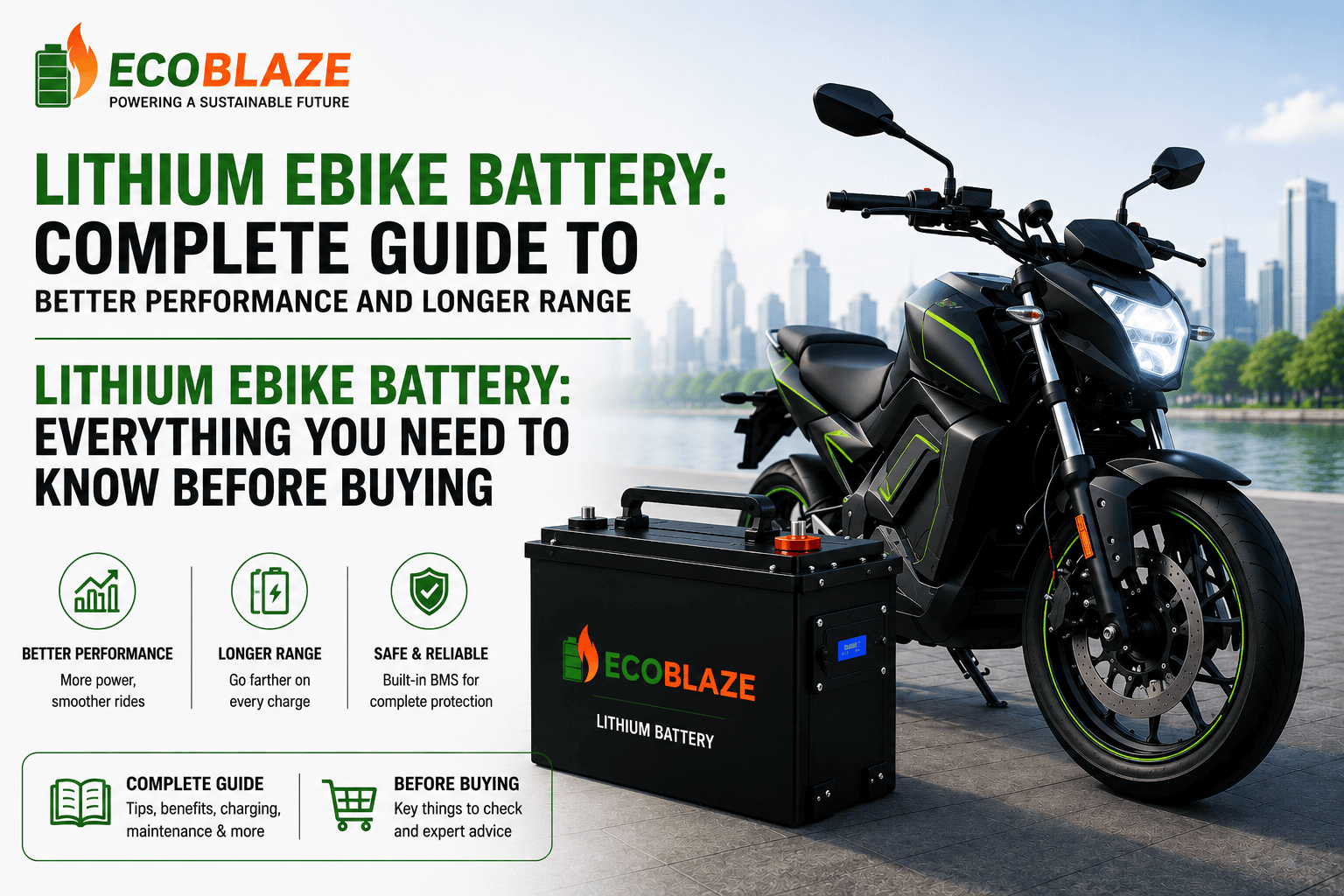
This is why modern two wheeler batteries and Electric Bike Lithium Battery systems rely on lithium technology to improve riding performance and range.
Similarly, a lightweight Lithium Ebike Battery helps riders travel farther without adding excessive weight.
5. Low Maintenance Requirements
Traditional batteries often require the following:
- Water refilling
- Frequent inspections
- Regular maintenance
Lithium batteries eliminate most of these requirements.
This means:
- Lower maintenance costs
- Reduced labor
- Improved convenience
The low-maintenance nature of lithium batteries is one of the key reasons they are becoming the preferred choice across industries.
6. Superior Efficiency
Lithium batteries deliver exceptional energy efficiency.
Benefits include:
- Better charge retention
- Lower energy loss
- Improved charging efficiency
- Consistent power delivery
This higher efficiency allows users to get more usable energy from every charge cycle.
7. Better Performance in Electric Vehicles
Modern EVs depend heavily on lithium technology.
An advanced Electric Vehicle Lithium Ion Battery provides:
- Longer range
- Faster charging
- Higher efficiency
- Better reliability
Without lithium batteries, today’s electric mobility revolution would not be possible.
Every high-performance battery pack for electric vehicles relies on lithium chemistry to maximize performance and safety.
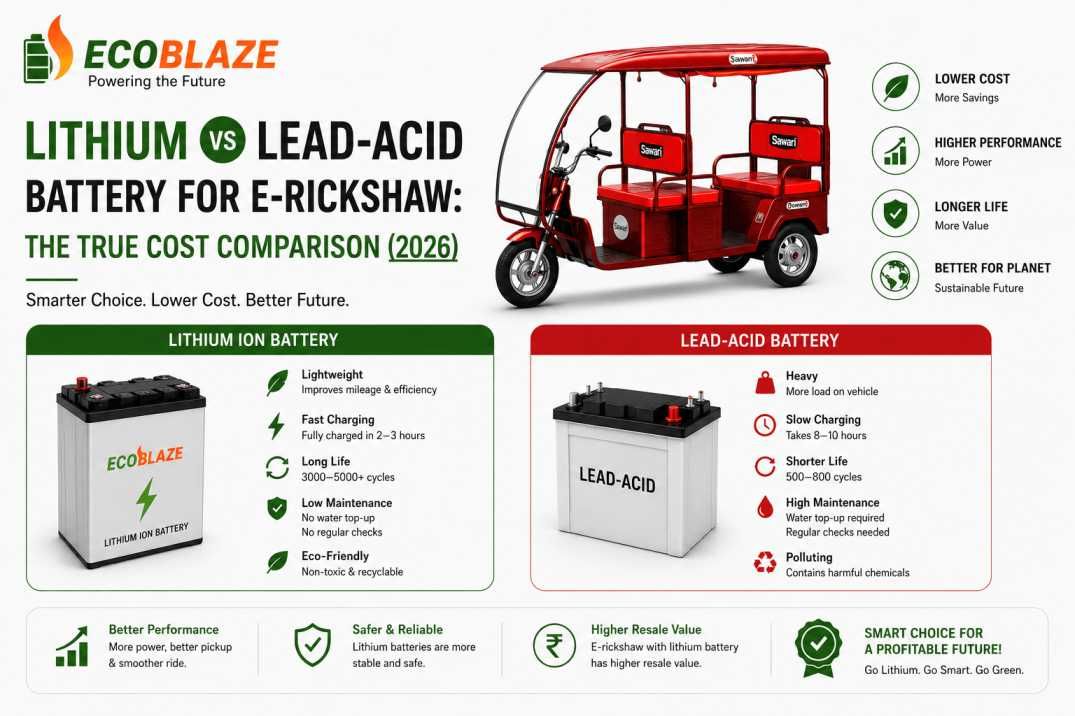
Lithium Batteries vs Lead-Acid Batteries
Many buyers compare lithium batteries with traditional lead-acid batteries before making a purchase decision.
| Feature | Lithium Battery | Lead-Acid Battery |
|---|---|---|
| Lifespan | 5–10 Years | 1–3 Years |
| Charging Speed | Fast | Slow |
| Maintenance | Low | High |
| Weight | Lightweight | Heavy |
| Efficiency | High | Moderate |
| Energy Density | High | Low |
For businesses evaluating lithium vs. lead-acid e-rickshaw battery systems, lithium batteries often provide significantly lower ownership costs over the battery’s lifetime.
Applications of Lithium Batteries
Electric Vehicles
One of the largest applications is electric mobility.
Modern Electric Vehicle Lithium Ion Battery technology powers:
- Electric scooters
- Electric motorcycles
- Passenger EVs
- Commercial vehicles
Lithium batteries help improve vehicle performance while reducing environmental impact.
Electric Bikes
Demand for Electric Bike Lithium Battery solutions continues to grow rapidly.
Benefits include:
- Better range
- Lightweight design
- Faster charging
- Improved rider experience
Likewise, a high-performance Lithium Ebike Battery provides excellent efficiency for electric bicycles used for commuting and delivery services.
E-Rickshaws
Commercial transportation operators increasingly choose lithium batteries because of their reliability.
A modern Lithium Battery for E-rickshaws offers the following:
- Faster charging
- Longer lifespan
- Reduced maintenance
- Improved vehicle range
Many operators are replacing traditional batteries with lithium technology to maximize profitability.
Renewable Energy Storage
The following applications widely use lithium batteries:
- Solar energy systems
- Residential backup solutions
- Commercial energy storage
- Industrial power systems
Their long cycle life makes them ideal for energy storage applications.
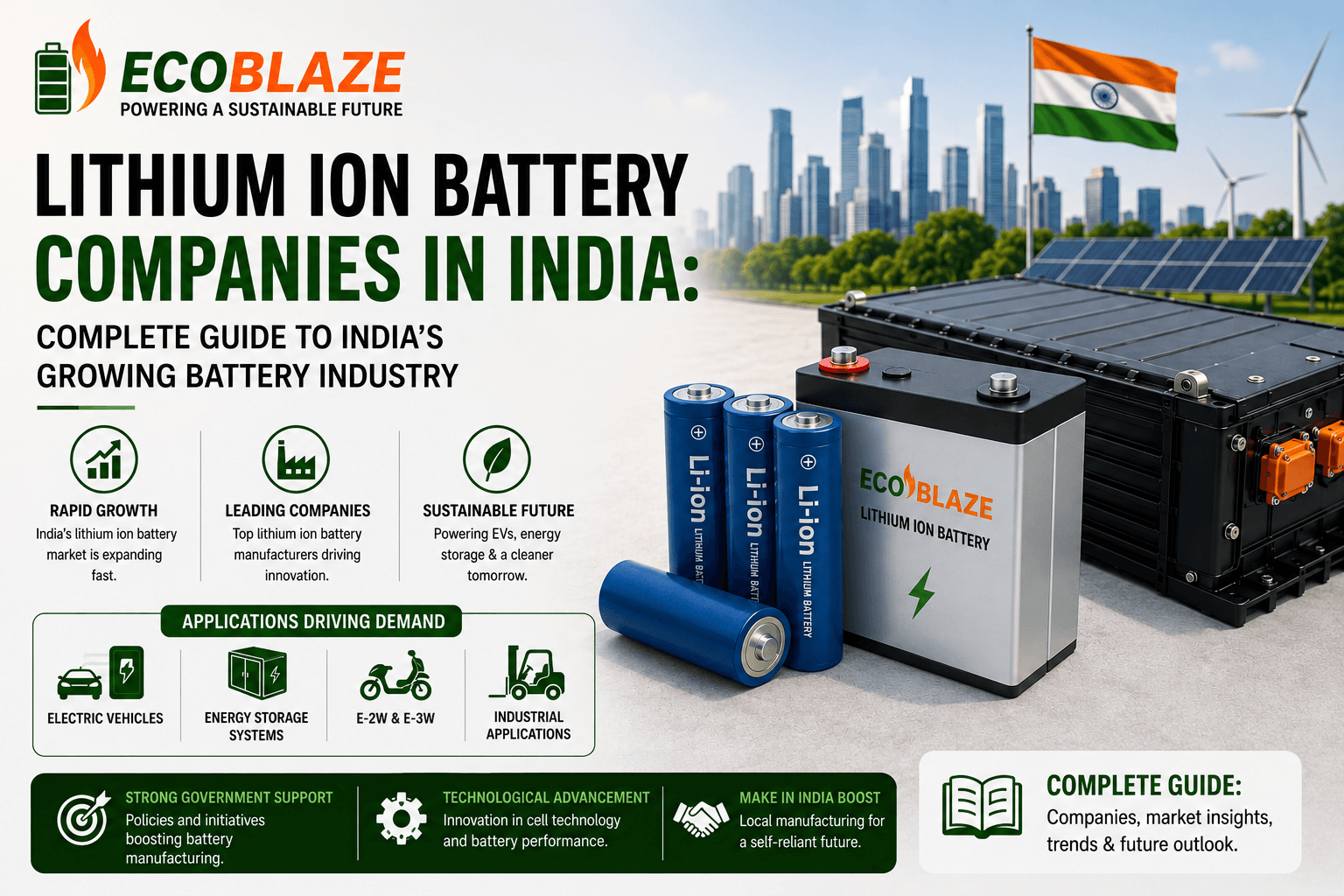
Growth of Lithium Battery Technology in India
The Indian EV and renewable energy sectors are growing rapidly.
As a result, many Lithium Ion Battery Companies in India are investing heavily in the following:
- Battery research
- Advanced manufacturing
- Energy storage technology
- EV battery systems
This innovation is helping accelerate India’s transition toward sustainable transportation and clean energy.
EV Battery Maintenance Tips
Following proper EV battery maintenance tips can significantly improve the lifespan of the battery.
Best practices include:
- Avoid complete discharge
- Prevent frequent overcharging
- Use approved chargers
- Keep batteries cool
- Store batteries properly
These simple habits can help maximize performance and battery longevity.
Why Businesses Are Switching to Lithium Batteries
Businesses choose lithium batteries because they offer:
- Lower Operating Costs: Longer lifespan reduces replacement expenses.
- Increased Productivity: Fast charging minimizes downtime.
- Better Reliability: Consistent power delivery improves operations.
- Improved Sustainability: Lithium batteries support cleaner energy solutions.
These advantages make lithium batteries a smart long-term investment.
Future of Lithium Batteries
The future of lithium technology looks promising.
Emerging innovations include:
- Solid-state batteries
- Faster charging systems
- Improved battery recycling
- Higher energy density
- Advanced battery management systems
These developments will further enhance the benefits of lithium batteries over the coming years.
Conclusion
The benefits of lithium batteries make them one of the most important technologies powering today’s energy transition. Their high energy density, long lifespan, fast charging capability, lightweight construction, and low maintenance requirements provide significant advantages over traditional battery systems.
Whether powering two-wheeler batteries, three wheeler batteries, an advanced Electric Bike Lithium Battery, a Lithium Ebike Battery, or a modern electric vehicle battery pack, lithium technology delivers superior performance and long-term value.
Businesses and consumers looking to improve efficiency, reduce costs, and support sustainable transportation should strongly consider lithium battery solutions. If you’re exploring advanced battery options for EVs or energy storage applications, you can request a quote from Ecoblaze to learn more about lithium battery systems designed for modern energy needs.
People Also Ask and FAQs
- What are the main benefits of lithium batteries?
Lithium batteries offer high energy density, fast charging, a long lifespan, lightweight design, and low maintenance. - Why are lithium batteries better than lead-acid batteries?
They last longer, charge faster, weigh less, and provide better efficiency. - How long do lithium batteries last?
Most lithium batteries last between 5 and 10 years depending on usage. - Are lithium batteries suitable for electric vehicles?
Yes, they are the preferred battery technology for modern EVs. - Can lithium batteries be used for solar energy storage?
Yes, they are widely used in residential and commercial solar systems. - Do lithium batteries require maintenance?
Very little maintenance is required compared to traditional batteries. - What affects lithium battery lifespan?
Charging habits, temperature, and battery quality influence lifespan. - Are lithium batteries safe?
Yes, modern batteries include advanced safety systems and battery management technology. - Can lithium batteries improve EV range?
Yes, higher energy density helps increase driving range significantly. - Why are lithium batteries becoming so popular?
They offer superior efficiency, longer lifespan, rapid charging, and lower operating costs.