Benefits of Lithium Batteries: Complete Guide to Performance, Lifespan & Efficiency

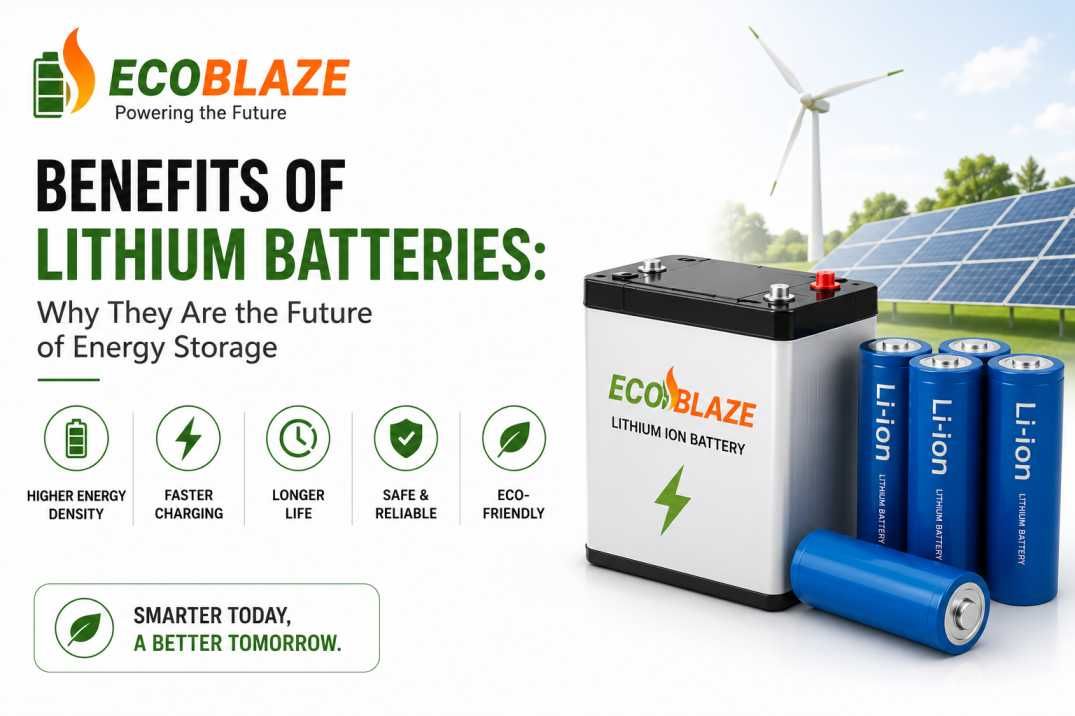
The benefits of lithium batteries include high energy density, longer lifespan, fast charging, lightweight construction, low maintenance, and superior efficiency compared to traditional lead-acid batteries. Lithium batteries are widely used in electric vehicles, energy storage systems, electric bikes, e-rickshaws, and commercial transportation because they deliver better performance and lower long-term operating costs.

The world is rapidly transitioning toward clean energy and electric mobility. From electric vehicles and solar energy systems to industrial backup solutions, lithium batteries have become the preferred choice for energy storage. Businesses, fleet operators, and consumers are increasingly recognizing the many benefits of lithium batteries, making them one of the most important technologies in the modern energy landscape.

Unlike traditional battery technologies, lithium batteries provide exceptional efficiency, fast charging, a longer lifespan, and lightweight performance. Whether you’re powering an electric scooter, solar power system, or commercial fleet, understanding the benefits of lithium batteries can help you make a smarter investment.

In this comprehensive guide, we explore why lithium batteries are transforming transportation and energy storage while helping businesses reduce costs and improve efficiency.


What Are Lithium Batteries?

Lithium batteries are rechargeable batteries that store and release energy through the movement of lithium ions between positive and negative electrodes.

These batteries are designed to provide the following:

  • High energy density
  • Long cycle life
  • Fast charging capability
  • Lightweight construction
  • Improved safety
  • Better energy efficiency

Because of these advantages, lithium batteries are widely used in electric vehicles, renewable energy systems, consumer electronics, and industrial applications.


Top Benefits of Lithium Batteries

1. High Energy Density

One of the biggest benefits of lithium batteries is their high energy density.

Energy density refers to the amount of energy a battery can store relative to its size and weight.

Advantages include:

  • Longer driving range
  • Compact battery packs
  • Reduced battery weight
  • Better performance

This advantage is one reason why modern electric vehicle battery packs rely heavily on lithium technology.

Compared to conventional batteries, lithium batteries store significantly more power while occupying less space.


2. Longer Lifespan

Another major benefit is longevity.

Most lithium batteries can deliver the following:

  • 2,000–5,000 charging cycles
  • 5–10 years of service life

In contrast, traditional batteries often require replacement much sooner.

This longer lifespan reduces the following:

  • Replacement costs
  • Downtime
  • Maintenance expenses

For commercial applications such as three-wheeler batteries, longer battery life translates into higher profitability and lower operating expenses.


3. Faster Charging Capability

Charging speed is one of the most appreciated benefits of lithium batteries.

Modern lithium batteries support:

  • Rapid charging
  • Reduced charging time
  • Improved operational efficiency

This is especially important for:

  • Electric vehicles
  • Delivery fleets
  • Commercial transportation

A fast-charging battery helps maximize vehicle utilization and reduce downtime.


4. Lightweight Construction

Weight plays a critical role in vehicle performance.

Lithium batteries are substantially lighter than traditional alternatives.

Benefits include:

  • Better acceleration
  • Improved vehicle efficiency
  • Increased payload capacity
  • Better energy utilization

This is why modern two wheeler batteries and Electric Bike Lithium Battery systems rely on lithium technology to improve riding performance and range.

Similarly, a lightweight Lithium Ebike Battery helps riders travel farther without adding excessive weight.


5. Low Maintenance Requirements

Traditional batteries often require the following:

  • Water refilling
  • Frequent inspections
  • Regular maintenance

Lithium batteries eliminate most of these requirements.

This means:

  • Lower maintenance costs
  • Reduced labor
  • Improved convenience

The low-maintenance nature of lithium batteries is one of the key reasons they are becoming the preferred choice across industries.


6. Superior Efficiency

Lithium batteries deliver exceptional energy efficiency.

Benefits include:

  • Better charge retention
  • Lower energy loss
  • Improved charging efficiency
  • Consistent power delivery

This higher efficiency allows users to get more usable energy from every charge cycle.


7. Better Performance in Electric Vehicles

Modern EVs depend heavily on lithium technology.

An advanced Electric Vehicle Lithium Ion Battery provides:

  • Longer range
  • Faster charging
  • Higher efficiency
  • Better reliability

Without lithium batteries, today’s electric mobility revolution would not be possible.

Every high-performance battery pack for electric vehicles relies on lithium chemistry to maximize performance and safety.


Lithium Batteries vs Lead-Acid Batteries

Many buyers compare lithium batteries with traditional lead-acid batteries before making a purchase decision.

FeatureLithium BatteryLead-Acid Battery
Lifespan5–10 Years1–3 Years
Charging SpeedFastSlow
MaintenanceLowHigh
WeightLightweightHeavy
EfficiencyHighModerate
Energy DensityHighLow

For businesses evaluating lithium vs. lead-acid e-rickshaw battery systems, lithium batteries often provide significantly lower ownership costs over the battery’s lifetime.


Applications of Lithium Batteries

Electric Vehicles

One of the largest applications is electric mobility.

Modern Electric Vehicle Lithium Ion Battery technology powers:

  • Electric scooters
  • Electric motorcycles
  • Passenger EVs
  • Commercial vehicles

Lithium batteries help improve vehicle performance while reducing environmental impact.


Electric Bikes

Demand for Electric Bike Lithium Battery solutions continues to grow rapidly.

Benefits include:

  • Better range
  • Lightweight design
  • Faster charging
  • Improved rider experience

Likewise, a high-performance Lithium Ebike Battery provides excellent efficiency for electric bicycles used for commuting and delivery services.


E-Rickshaws

Commercial transportation operators increasingly choose lithium batteries because of their reliability.

A modern Lithium Battery for E-rickshaws offers the following:

  • Faster charging
  • Longer lifespan
  • Reduced maintenance
  • Improved vehicle range

Many operators are replacing traditional batteries with lithium technology to maximize profitability.


Renewable Energy Storage

The following applications widely use lithium batteries:

  • Solar energy systems
  • Residential backup solutions
  • Commercial energy storage
  • Industrial power systems

Their long cycle life makes them ideal for energy storage applications.


Growth of Lithium Battery Technology in India

The Indian EV and renewable energy sectors are growing rapidly.

As a result, many Lithium Ion Battery Companies in India are investing heavily in the following:

  • Battery research
  • Advanced manufacturing
  • Energy storage technology
  • EV battery systems

This innovation is helping accelerate India’s transition toward sustainable transportation and clean energy.


EV Battery Maintenance Tips

Following proper EV battery maintenance tips can significantly improve the lifespan of the battery.

Best practices include:

  • Avoid complete discharge
  • Prevent frequent overcharging
  • Use approved chargers
  • Keep batteries cool
  • Store batteries properly

These simple habits can help maximize performance and battery longevity.


Why Businesses Are Switching to Lithium Batteries

Businesses choose lithium batteries because they offer:

  • Lower Operating Costs: Longer lifespan reduces replacement expenses.
  • Increased Productivity: Fast charging minimizes downtime.
  • Better Reliability: Consistent power delivery improves operations.
  • Improved Sustainability: Lithium batteries support cleaner energy solutions.

These advantages make lithium batteries a smart long-term investment.


Future of Lithium Batteries

The future of lithium technology looks promising.

Emerging innovations include:

  • Solid-state batteries
  • Faster charging systems
  • Improved battery recycling
  • Higher energy density
  • Advanced battery management systems

These developments will further enhance the benefits of lithium batteries over the coming years.


Conclusion

The benefits of lithium batteries make them one of the most important technologies powering today’s energy transition. Their high energy density, long lifespan, fast charging capability, lightweight construction, and low maintenance requirements provide significant advantages over traditional battery systems.

Whether powering two-wheeler batteries, three wheeler batteries, an advanced Electric Bike Lithium Battery, a Lithium Ebike Battery, or a modern electric vehicle battery pack, lithium technology delivers superior performance and long-term value.

Businesses and consumers looking to improve efficiency, reduce costs, and support sustainable transportation should strongly consider lithium battery solutions. If you’re exploring advanced battery options for EVs or energy storage applications, you can request a quote from Ecoblaze to learn more about lithium battery systems designed for modern energy needs.


People Also Ask and FAQs

  1. What are the main benefits of lithium batteries?
    Lithium batteries offer high energy density, fast charging, a long lifespan, lightweight design, and low maintenance.
  2. Why are lithium batteries better than lead-acid batteries?
    They last longer, charge faster, weigh less, and provide better efficiency.
  3. How long do lithium batteries last?
    Most lithium batteries last between 5 and 10 years depending on usage.
  4. Are lithium batteries suitable for electric vehicles?
    Yes, they are the preferred battery technology for modern EVs.
  5. Can lithium batteries be used for solar energy storage?
    Yes, they are widely used in residential and commercial solar systems.
  6. Do lithium batteries require maintenance?
    Very little maintenance is required compared to traditional batteries.
  7. What affects lithium battery lifespan?
    Charging habits, temperature, and battery quality influence lifespan.
  8. Are lithium batteries safe?
    Yes, modern batteries include advanced safety systems and battery management technology.
  9. Can lithium batteries improve EV range?
    Yes, higher energy density helps increase driving range significantly.
  10. Why are lithium batteries becoming so popular?
    They offer superior efficiency, longer lifespan, rapid charging, and lower operating costs.
Electric Vehicle Lithium Ion Battery: Everything You Need to Know

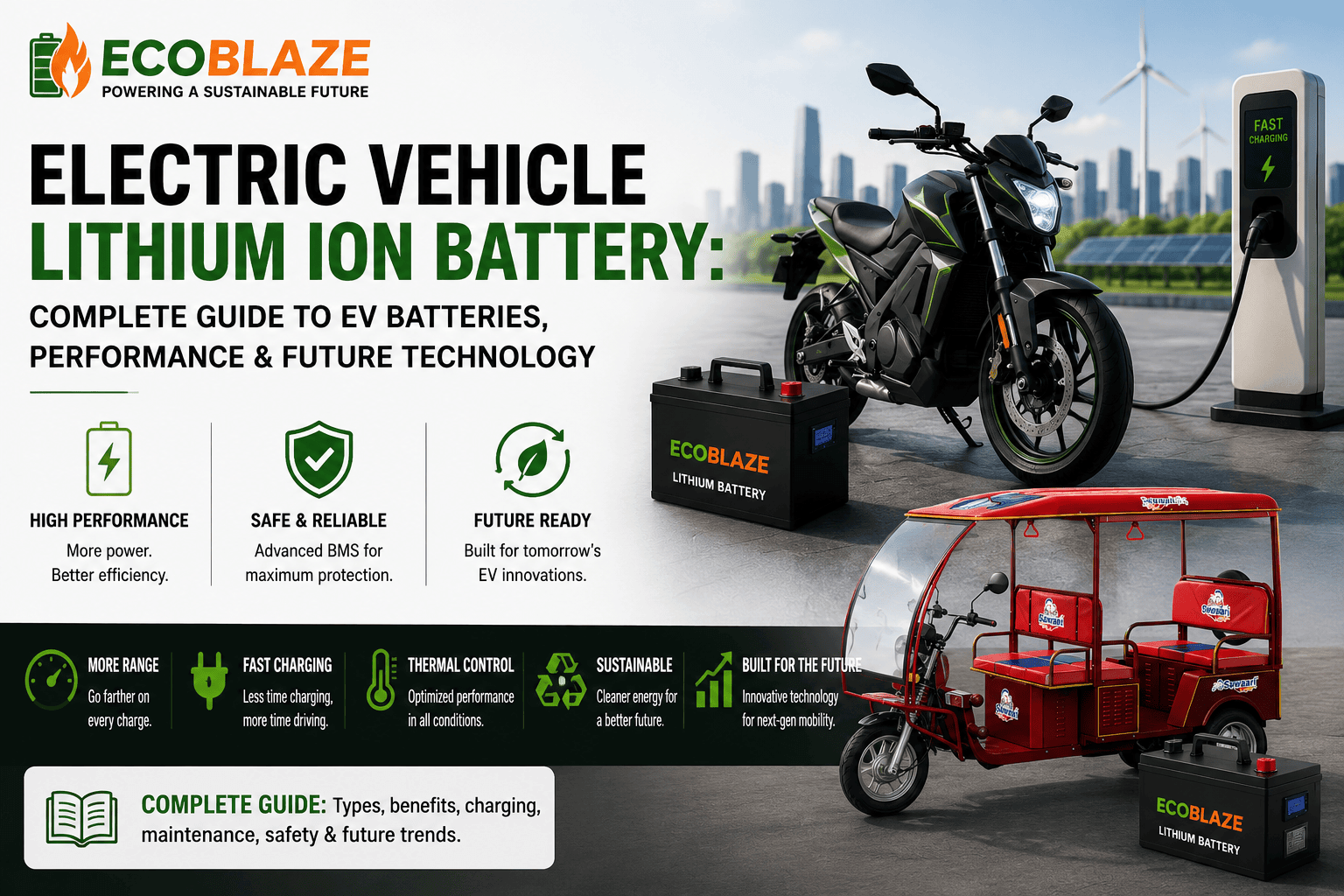
Electric mobility is reshaping transportation worldwide. From electric scooters to commercial EVs and passenger cars, batteries have become the heart of modern vehicles. Among all technologies available today, the Electric Vehicle Lithium Ion Battery remains the dominant choice because of its high energy density, fast charging capability, and longer lifespan.

An electric vehicle lithium-ion battery stores and supplies the electrical energy needed to power motors in electric vehicles. Compared with older technologies, modern lithium ion batteries deliver better performance, improved charging cycles, and higher efficiency.

As EV adoption grows, understanding Electric Vehicle Lithium Ion Battery technology becomes essential for businesses, fleet operators, and everyday users.

This guide covers:

✔ EV battery types
✔ Battery pack components
✔ Lifespan and maintenance
✔ Battery recycling
✔ Future battery technology
✔ Buying considerations


What is an Electric Vehicle Lithium Ion Battery?

An Electric Vehicle Lithium Ion Battery is a rechargeable energy storage system designed specifically to power EV motors.

Unlike traditional fuel systems, these batteries store electrical energy chemically and release it during operation.

Main functions include:

  • Energy storage
  • Power distribution
  • Fast charging support
  • Regenerative braking support
  • Long-term efficiency

The Electric Vehicle Lithium-Ion Battery is widely used because of the following:

  • High power-to-weight ratio
  • Better energy density
  • Long lifespan
  • Lower maintenance

How Does an Electric Vehicle’s Lithium-Ion Battery Work?

A battery operates through the movement of lithium ions between:

  • Cathode
  • Anode
  • Electrolyte
  • Separator

During discharge:

Lithium ions generate electricity and power the vehicle.

During charging:

The process reverses and energy is stored again.

This cycle enables repeated use over thousands of charging sessions.


Main Types of Electric Vehicle Lithium-Ion Batteries

Different battery chemistries affect performance.

1. Lithium Iron Phosphate (LFP)

Features:

✔ Longer lifespan
✔ Better safety
✔ Thermal stability
✔ Lower cost

Common in:

  • E-rickshaws
  • Electric scooters
  • Standard EVs

2. Nickel Manganese Cobalt (NMC)

Benefits:

✔ High energy density
✔ Longer range
✔ Lightweight design

Often used in:

  • Premium EVs
  • High-performance vehicles

3. Lithium Titanate (LTO)

Advantages:

✔ Extremely fast charging
✔ Long cycle life
✔ High safety


Components of Electric Vehicle Battery Pack

Every electric vehicle battery pack includes several critical parts.

Battery Cells

Individual battery cells store energy.

Common formats:

  • Cylindrical cells
  • Prismatic cells
  • Pouch cells

Battery Modules

Multiple cells form modules.

Several modules combine into one battery pack.

Read more about: Lithium Ebike Battery


Battery Management System (BMS)

The BMS controls:

  • Temperature
  • Voltage balance
  • Overcharging prevention
  • Safety monitoring

Cooling Systems

Thermal management prevents the following:

  • Overheating
  • Battery degradation
  • Performance loss

Battery Capacity & Voltage in EVs

Battery sizes vary by vehicle.

Examples:

  • Electric bikes: 36V–72V
  • Electric scooters: 48V–72V
  • Passenger EVs: 50–100+ kWh

Battery capacity directly impacts:

  • Driving range
  • Charging time
  • Performance

Benefits of Electric Vehicle Lithium-Ion Batteries

Better Energy Density

Higher energy storage allows the following:

  • Longer driving range
  • Lightweight vehicles

Faster Charging

Most modern EV batteries support the following:

  • Rapid charging
  • Reduced downtime

Longer Lifespan

Many Electric Vehicle Lithium-Ion Battery systems last:

  • 8–20 years
  • 1200–5000 cycles

Improved Efficiency

Modern ev batteries deliver the following:

  • Stable performance
  • Better power output

EV Battery Maintenance Tips

Following proper EV battery maintenance tips can increase the battery’s lifespan.

Recommended practices:

✔ Avoid frequent 0–100% charging
✔ Maintain 20–80% charge level
✔ Prevent overheating
✔ Use original chargers
✔ Store batteries in moderate temperatures

These steps improve battery health significantly.

Read More: Electric Bike Lithium Battery


Battery Recycling & Sustainability

As EV adoption increases, battery recycling becomes important.

Recycling helps recover:

  • Lithium
  • Nickel
  • Cobalt
  • Other valuable materials

Recovered materials reduce:

  • Mining demand
  • Environmental impact

Research suggests recycled batteries may supply significant future battery material demand.


Environmental Impact of EV Batteries

The transition toward EVs reduces fuel dependence but creates demand for battery materials.

Challenges include:

  • Lithium mining
  • Resource extraction
  • Water usage

Future technologies focus on:

  • Sustainable mining
  • Recycling
  • Alternative chemistries

Future of Electric Vehicle Lithium Ion Battery Technology

The future includes:

Solid-state batteries

Expected benefits:

  • Higher energy density
  • Better safety

Sodium-ion batteries

Advantages:

  • Reduced dependence on rare minerals

Improved recycling systems

Advanced recovery methods will improve sustainability.


Growing Demand for EV Batteries in India

Demand is increasing for:

Growth drivers:

  • Rising fuel prices
  • Government subsidies
  • Sustainable transportation goals

Role of Lithium Battery Manufacturers

Every major:

is investing in:

✔ Better battery chemistry
✔ Advanced BMS technology
✔ Faster charging systems


Real-World Example

Fleet operators switching to Electric Vehicle Lithium Ion Battery systems often report:

  • Lower maintenance cost
  • Better mileage
  • Longer battery lifespan
  • Reduced downtime

This demonstrates why lithium technology dominates EV markets.


Conclusion

The Electric Vehicle Lithium Ion Battery has become the foundation of modern electric transportation. Its superior energy density, fast charging capability, long lifespan, and efficiency make it the preferred solution across EV segments.

As battery technology evolves through improved energy storage, recycling systems, and new chemistry innovations, future electric vehicles will become safer, cheaper, and more sustainable. Choosing quality battery systems today ensures better performance and long-term reliability.


People Also Ask and FAQs

  1. What is an electric vehicle lithium ion battery?
    A rechargeable battery system that stores and delivers energy to power EV motors.
  2. How long do EV lithium ion batteries last?
    Most last between 8 and 20 years depending on charging and usage.
  3. Which EV battery chemistry is best?
    LFP is safer and durable, while NMC offers higher energy density.
  4. Are EV batteries recyclable?
    Yes. Valuable materials including lithium and nickel can be recovered.
  5. What affects EV battery lifespan?
    Temperature, charging habits, and battery management systems.
  6. Why are lithium ion batteries used in EVs?
    They provide higher energy density and longer lifespan.
  7. Can EV batteries be recycled?
    Yes. Recycling recovers critical battery materials.
  8. Do EV batteries require maintenance?
    Minimal maintenance compared to conventional systems.
  9. How fast can EV batteries charge?
    Fast charging depends on battery type and charger capacity.
  10. What is battery degradation?
    Gradual reduction in battery capacity over time.

Introduction: Lithium Battery Manufacturer in India

The demand for electric vehicles, renewable energy, and smart power backup systems is growing rapidly across India. Because of this, every major industry is now searching for a trusted Lithium Battery Manufacturer that can provide durable, high-performance, and eco-friendly energy solutions.

From EV scooters and solar systems to industrial power backup, lithium ion batteries are now powering the future of India. But choosing the right manufacturer is not easy. Hundreds of suppliers in the market offer varying quality, safety, and long-term performance.

In this detailed guide, we will explain how to choose the best Lithium Battery Manufacturer in India, understand battery technologies, compare important features, and explore why lithium-ion batteries are becoming the backbone of modern energy storage systems.


What is a Lithium Ion Battery?

A lithium ion battery is a rechargeable battery that stores and releases energy through lithium ions moving between electrodes during charging and discharging.

These batteries are widely used because they offer the following:

  • High energy density
  • Fast charging
  • Lightweight structure
  • Long lifespan
  • Better power backup
  • Low maintenance

This is why every leading Lithium Battery Manufacturer in India is now focusing on advanced lithium ion technology.


Why Lithium Batteries Are Growing Fast in India

India is witnessing massive growth in:

  • Electric vehicles EVs
  • Renewable energy
  • Solar energy storage
  • Smart backup solutions
  • Industrial automation

The government’s push toward clean energy and sustainable transportation is creating huge demand for batteries in India.

Today, a reliable Lithium Battery Manufacturer supports multiple industries, including:

  • Automotive
  • Telecom
  • Solar
  • Industrial applications
  • Residential power systems

Advantages of Choosing a Lithium Battery Manufacturer in India

1. High-Performance Energy Solutions

Lithium batteries provide consistent power output and better charging efficiency compared to traditional lead-acid batteries.

Benefits include:
  • Faster charging
  • Better charging and discharging cycles
  • Long-term durability
  • Reduced energy loss

2. Eco-Friendly Technology

Modern lithium ion batteries are designed to support renewable energy systems and reduce environmental impact.

A trusted Lithium Battery Manufacturer focuses on the following:

  • Sustainable production
  • Eco-friendly materials
  • Low carbon emissions
  • Better recycling methods

3. Better Energy Storage Systems

India’s growing solar market needs efficient energy storage systems.

Lithium batteries are ideal because they

  • Store solar energy efficiently
  • Offer longer backup
  • Support power system stability
  • Improve renewable energy performance

How to Choose the Best Lithium Battery Manufacturer

Choosing the right Lithium Battery Manufacturer is critical for performance and safety.

Check Battery Quality

Look for:

  • High energy density
  • Long cycle life
  • Advanced lithium ion cells
  • Strong thermal management

Look for Safety Features

Modern batteries should include:

  • Battery Management System (BMS)
  • Overcharge protection
  • Thermal protection
  • Short-circuit prevention

Verify Certifications

Always choose manufacturers with:

  • BIS certification
  • ISO standards
  • UN38.3 compliance

Compare Warranty & Support

A trusted manufacturer provides:

  • Long-term warranty
  • Service support
  • Technical assistance
  • Replacement options

Lithium Battery Applications in India

Electric Vehicles

The EV market is driving huge demand for lithium batteries.

Applications include:

  • Electric scooters
  • E-rickshaws
  • Cars
  • Commercial EVs

This is why demand for:

is increasing rapidly.


Solar Energy Storage

Solar users prefer lithium batteries because they

  • Charge faster
  • Last longer
  • Improve energy efficiency

A professional Lithium Battery Supplier can help businesses build better solar storage systems.


Industrial Applications

Industries use lithium batteries for:

  • Telecom towers
  • UPS systems
  • Manufacturing plants
  • Automation systems

EV Battery Maintenance Tips

Battery performance depends heavily on maintenance.

Here are some important tips for maintaining your EV battery:

  • Avoid complete discharge regularly
  • Use compatible chargers
  • Keep batteries away from extreme heat
  • Charge within recommended voltage
  • Store batteries in cool places

Following these tips increases battery lifespan significantly.


Future of Lithium Battery Manufacturing in India

India is becoming a major global hub for battery manufacturing.

Reasons include:

  • Rising EV adoption
  • Government subsidies
  • Expansion of renewable energy
  • Growing industrial demand

Every major Lithium Battery Manufacturer is now investing heavily in the following:

  • Cutting-edge technology
  • High-performance battery systems
  • Smart energy solutions

Real-World Example

A fleet company shifted from lead-acid batteries to lithium ion batteries for its EV fleet.

Results after 12 months:

  • 40% lower maintenance cost
  • Faster charging
  • Better backup
  • Longer battery life

This demonstrates why businesses now prefer advanced lithium ion technology.


Conclusion

Choosing the right Lithium Battery Manufacturer in India is essential for long-term performance, energy efficiency, and reliability. Whether you need batteries for EVs, solar energy systems, or industrial backup solutions, lithium ion technology offers superior performance compared to traditional batteries.

India’s battery industry is growing rapidly, with manufacturers focusing on innovation, advanced lithium ion systems, renewable energy integration, and durable products. By selecting a trusted manufacturer with strong technology, certifications, and after-sales support, businesses and consumers can benefit from reliable energy storage solutions for years to come.


People Also Ask and FAQs

  1. Who is the best lithium battery manufacturer in India?
    The best manufacturer depends on battery quality, safety standards, warranty, and application needs.
  2. Why are lithium ion batteries better?
    They offer longer life, rapid charging, and better energy efficiency.
  3. What industries use lithium batteries?
    EVs, solar energy, telecom, industrial automation, and backup systems.
  4. How long do lithium batteries last?
    Most high-quality lithium batteries last 8–10 years.
  5. Are lithium batteries eco-friendly?
    Yes, they support renewable energy and produce lower emissions.
  6. What should I check before buying a lithium battery?
    Check certifications, warranty, battery chemistry, and safety systems.
  7. Are lithium batteries safe for home use?
    Yes, modern batteries include advanced protection systems.
  8. Can lithium batteries be used for solar systems?
    Absolutely. They are ideal for solar energy storage systems.
  9. Do lithium batteries need maintenance?
    Very little maintenance is required compared to lead-acid batteries.
  10. What is the lifespan of lithium ion batteries?
    Typically, the number of charging cycles ranges between 2000 and 6000, depending on usage.

Introduction of Lithium Battery Supplier in India

If you’re searching for a lithium battery supplier in India, you’re likely looking for reliable, long-lasting, and high-performance energy solutions. With the rise of electric vehicles (EVs), solar energy systems, and industrial power backup, lithium ion batteries have become the backbone of modern energy storage.

But here’s the problem — not all suppliers offer the same quality, technology, or support. Choosing the wrong supplier can cost you money, efficiency, and long-term performance.

In this guide, we’ll break down everything you need to know about selecting the right lithium battery supplier in India, including features, applications, top manufacturers, and buying tips.


What is a Lithium Battery?

A lithium battery is a rechargeable battery that uses lithium ions to store and release energy during charging and discharging cycles.

Key Features:

  • High energy density
  • Lightweight and compact
  • Long lifecycle (2000–6000 cycles)
  • Fast charging capability
  • Low maintenance

These features make lithium-ion batteries ideal for:

  • Electric vehicles EVs
  • Solar energy storage
  • Power backup systems
  • Industrial applications

Why Choose a Lithium Battery Supplier in India?

India is rapidly becoming a hub for manufacturers of lithium ion batteries, thanks to government support, EV adoption, and renewable energy growth.

Benefits of Choosing Indian Suppliers:

  • Cost-effective solutions
  • Strong distribution network
  • Custom battery solutions
  • Faster delivery and support
  • Focus on innovation and cutting-edge technology

Applications of Lithium Ion Batteries in India

A reliable lithium battery supplier in India serves multiple industries:

1. Electric Vehicles (EVs)

  • Used in scooters, bikes, and cars
  • Supports fast charging and long range
  • Increasing demand for three wheeler batteries and two wheeler batteries

2. Solar Energy Systems

  • Stores renewable energy efficiently
  • Supports off-grid and hybrid systems

3. Power Backup Systems

  • Ideal for homes and offices
  • Better than traditional lead-acid batteries

4. Industrial Applications

  • Telecom, manufacturing, and automation
  • High-performance energy storage systems

Key Factors to Choose the Best Lithium Battery Supplier in India

Selecting the right supplier is critical. Here’s what to consider:

1. Battery Quality & Performance

  • High energy density
  • Long cycle life
  • Stable charging and discharging

2. Safety Features

  • Battery Management System (BMS)
  • Overcharge and thermal protection

3. Certifications

  • BIS certification
  • UN38.3 compliance

4. Customization Options

  • Different capacities for EVs, solar, and industrial use

5. Warranty & Support

  • Minimum 3–10 years warranty
  • Reliable after-sales service

Advantages of Lithium Ion Batteries Over Traditional Batteries

FeatureLithium Ion BatteriesLead-Acid Batteries
Lifespan8–10 years3–5 years
MaintenanceLowHigh
Charging TimeFastSlow
EfficiencyHighModerate
WeightLightweightHeavy

This trend is why more businesses prefer a trusted lithium battery supplier in India.


Market Trends: Why Demand is Growing

The demand for lithium-ion batteries in India is booming due to the following:

  • Government EV policies
  • Growth in renewable energy
  • Rising need for energy storage solutions
  • Increasing industrial automation

India is expected to become a global leader in battery manufacturing in the next decade.


Real-World Example

A logistics company switching to EV fleets reduced operational expenses by 40% using lithium ion batteries. Their supplier provided customized battery packs for three wheeler batteries, improving efficiency and reducing downtime.


Conclusion

Choosing the right lithium battery supplier in India is crucial for long-term performance, safety, and cost efficiency. With the growing demand for electric vehicles, renewable energy, and industrial automation, lithium ion batteries are no longer optional — they are essential.

Focus on quality, certifications, and supplier reliability to make the best decision. Whether you need batteries for EVs, solar energy, or power backup, India offers a wide range of high-quality options backed by innovation and technology.


People Also Ask and FAQs

  1. Who is the best lithium battery supplier in India?
    Top suppliers include Exide, Amara Raja, and Okaya based on quality and reliability.
  2. Are lithium batteries better than lead-acid?
    Yes, they offer longer life, faster charging, and higher efficiency.
  3. What is the price of lithium batteries in India?
    Prices range from ₹12,000 to ₹25,000 per kWh depending on capacity.
  4. Where are lithium batteries used?
    They are used in EVs, solar systems, and industrial power backup.
  5. How long do lithium ion batteries last?
    Typically 8–10 years or 2000–6000 charge cycles.
  6. What should I examine before buying a lithium battery?
    Check certifications, cycle life, warranty, and supplier reputation.
  7. Are lithium batteries safe?
    Yes, with BMS and thermal protection systems.
  8. Can lithium batteries be used for solar systems?
    Yes, they are ideal for solar energy storage.
  9. Do lithium batteries require maintenance?
    No, they are mostly maintenance-free.
  10. Which battery is best for EVs in India?
    Lithium ion batteries are the best due to efficiency and lifespan.