Introduction: Lithium Battery Company in India
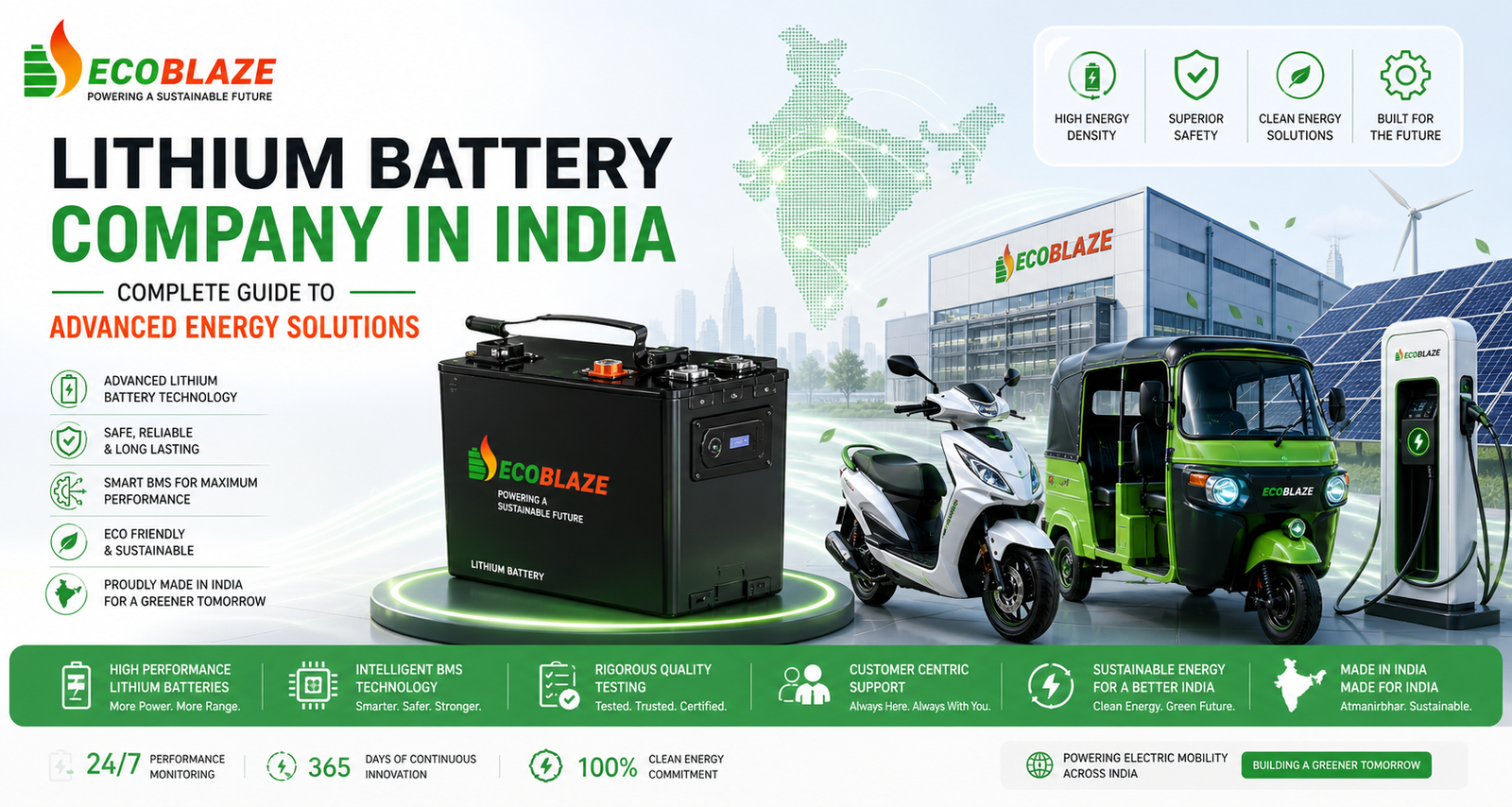
India is rapidly moving toward electric mobility and renewable energy. Because of this transformation, the demand for a trusted Lithium Battery Company is increasing faster than ever before. From electric scooters and e-rickshaws to industrial energy storage systems, lithium ion batteries are now powering modern transportation and backup solutions across the country.
Today, businesses and consumers want high-performance batteries that offer fast charging, longer lifespan, better safety, and reliable energy storage. This is why every major Lithium Battery Company in India is focusing on advanced lithium ion technology and smart battery systems.
Whether you are searching for batteries for EVs, solar systems, industrial applications, or backup solutions, choosing the right battery company is extremely important. In this detailed guide, we will explain how lithium batteries work, why they are important, how to select the best battery solutions, and what future trends are shaping the Indian EV battery market.
What is a Lithium Battery?
A lithium battery is a rechargeable energy storage solution that uses lithium ions to store and release energy during charging and discharging cycles.
Lithium ion batteries are popular because they offer:
- High energy density
- Fast charging capability
- Lightweight structure
- Better efficiency
- Long-term durability
- Low maintenance
This is why every leading Lithium Battery Company now focuses heavily on advanced lithium ion battery technology.
Why Lithium Batteries Are Growing in India
The Indian market is witnessing massive demand for:
- Electric vehicles EVs
- Renewable energy systems
- Smart power backup
- Energy storage systems
- Industrial automation
Government support for clean energy and electric mobility is also accelerating battery demand.
A reliable Lithium Battery Company supports industries including:
- Automotive
- Telecom
- Solar energy
- Industrial applications
- Residential backup systems
Advantages of Choosing a Lithium Battery Company in India
1. Advanced Energy Solutions
Modern lithium ion batteries provide highly efficient power systems for multiple applications.
Key benefits:
- Faster charging
- Better charging and discharging cycles
- Improved backup time
- Higher energy efficiency
2. Eco Friendly Technology
Lithium batteries support renewable energy and sustainable transportation.
A trusted Lithium Battery Company focuses on:
- Eco friendly production
- Reduced emissions
- Sustainable manufacturing
- Clean energy systems
3. Better Energy Storage Systems
India’s growing solar industry requires advanced storage solutions.
Lithium batteries help:
- Store renewable energy efficiently
- Improve power system stability
- Deliver long-term backup
- Support clean energy infrastructure
How Lithium Ion Batteries Work
Lithium ion batteries operate by moving lithium ions between positive and negative electrodes.
Main components include:
- Lithium ion cells
- Battery modules
- Battery Management System (BMS)
- Cooling systems
- Protective battery housing
These systems ensure:
- Better safety
- Thermal protection
- Long battery life
- High performance
Applications of Lithium Batteries in India
Electric Vehicles
EVs are one of the largest users of lithium ion batteries.
Applications include:
- Electric scooters
- Electric bikes
- Passenger EVs
- Commercial EV fleets
This is why demand for: two wheeler batteries and three wheeler batteries is increasing rapidly across India.
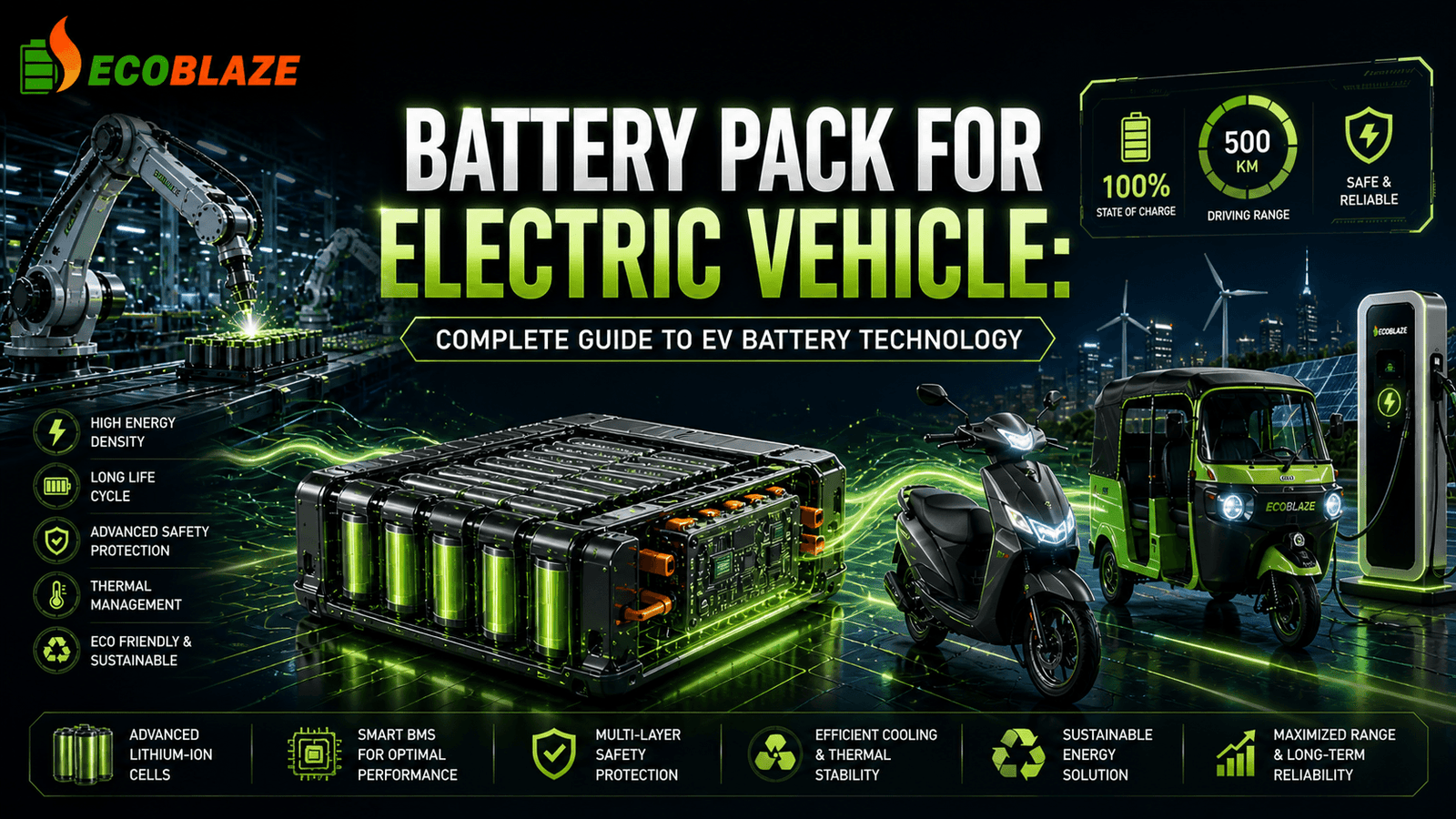
Battery Pack for Electric Vehicle
Every advanced Battery Pack for Electric Vehicle requires:
- Smart BMS technology
- Thermal management
- High energy density cells
- Fast charging systems
Modern EV battery packs are designed for better range, efficiency, and safety.
Solar Energy Storage
Lithium batteries are widely used for:
- Solar backup systems
- Residential energy storage
- Commercial renewable energy systems
A trusted Lithium Battery Supplier helps businesses build efficient energy storage solutions.
Industrial Applications
Industries use lithium batteries for:
- UPS systems
- Telecom towers
- Manufacturing units
- Automation equipment
EV Battery Maintenance Tips
Following proper ev battery maintenance tips helps improve battery life and charging performance.
Important tips include:
- Avoid overcharging
- Prevent deep discharge regularly
- Use compatible chargers
- Keep batteries away from extreme heat
- Store batteries in dry environments
Proper maintenance significantly increases battery lifespan.
Features of a High-Quality Lithium Battery Company
Choosing the right Lithium Battery Company is essential for long-term reliability.
Advanced Technology
Look for companies focusing on:
- Advanced lithium ion systems
- Smart BMS
- Fast charging technology
- High-performance cells
Safety Standards
Modern batteries should include:
- Overcharge protection
- Thermal safety
- Waterproof housing
- Short-circuit protection
Battery Certifications
Choose battery companies with:
- BIS certification
- ISO compliance
- IP67-rated protection
Strong Warranty & Support
Reliable manufacturers offer:
- Long-term warranty
- Technical assistance
- After-sales support
- Battery replacement services
Future of Lithium Battery Companies in India
India is becoming one of the fastest-growing battery manufacturing markets in the world.
The future growth is driven by:
- EV adoption
- Renewable energy expansion
- Rising fuel prices
- Government subsidies
- Smart mobility solutions
Every major Lithium Battery Manufacturer in India is investing heavily in:
- Advanced battery technology
- Energy storage systems
- Lightweight EV battery packs
- High-performance charging systems
The demand for reliable lithium battery solutions will continue to grow in the coming years.
Real-World Example
A delivery fleet switched from traditional lead-acid batteries to lithium ion systems for its EV operations.
Results after one year:
- Faster charging time
- Lower maintenance costs
- Improved vehicle range
- Better battery lifespan
This demonstrates why businesses now prefer advanced lithium battery systems.
Conclusion
Choosing the right Lithium Battery Company in India is critical for long-term performance, safety, and efficiency. Whether you need advanced battery systems for EVs, renewable energy, industrial backup, or commercial applications, lithium ion batteries offer superior technology compared to traditional battery systems.
Modern lithium batteries provide high energy density, fast charging, lightweight structure, better safety, and longer lifespan. As India continues moving toward electric mobility and renewable energy adoption, reliable lithium battery companies will play a major role in shaping the future of sustainable transportation and energy storage.
Understanding battery technology, maintenance, safety standards, and battery applications helps businesses and consumers make smarter decisions for long-term success.
People Also Ask and FAQs
- What is a lithium battery company?
A lithium battery company manufactures advanced lithium ion batteries for EVs, solar systems, and energy storage applications. - Why are lithium ion batteries popular?
They offer fast charging, long lifespan, high efficiency, and lightweight performance. - Where are lithium batteries used?
They are used in electric vehicles, solar energy systems, telecom, and industrial backup solutions. - How long do lithium batteries last?
Most lithium ion batteries last between 8–10 years depending on usage. - Are lithium batteries eco friendly?
Yes, they support renewable energy and produce lower emissions compared to traditional systems. - What should I check before choosing a lithium battery company?
Check certifications, warranty, safety systems, and battery technology. - Are lithium batteries safe for EVs?
Yes, modern lithium batteries include advanced thermal and safety protection systems. - Can lithium batteries be used for solar storage?
Absolutely. They are highly efficient for renewable energy storage systems. - What affects lithium battery lifespan?
Charging habits, temperature, and maintenance impact battery life. - Why are lithium ion batteries better than lead-acid batteries?
They are lighter, faster charging, longer-lasting, and more energy efficient.